This week BBC News asked a question we think about every day: how can UK buildings adapt to persistent heatwaves? We were really pleased to be part of the piece, alongside some important voices in the heat resilience conversation.
The timing says a lot. We are in the UK’s third heatwave of the summer. In June, a red weather warning forced hundreds of schools across the West to close their doors, and as Steve Chalke of the Oasis Charitable Trust put it, our buildings simply aren’t set up to keep the sun and the heat out. They were designed for a colder country than the one we now live in.
What encouraged me most was seeing passive cooling put first. Emma Howard Boyd, Chair of the National Heat Risk Commission, made the point that air conditioning has a role in settings like hospitals and care homes, but that for most buildings we should start with passive measures that reduce heat gain before it ever becomes a cooling problem.
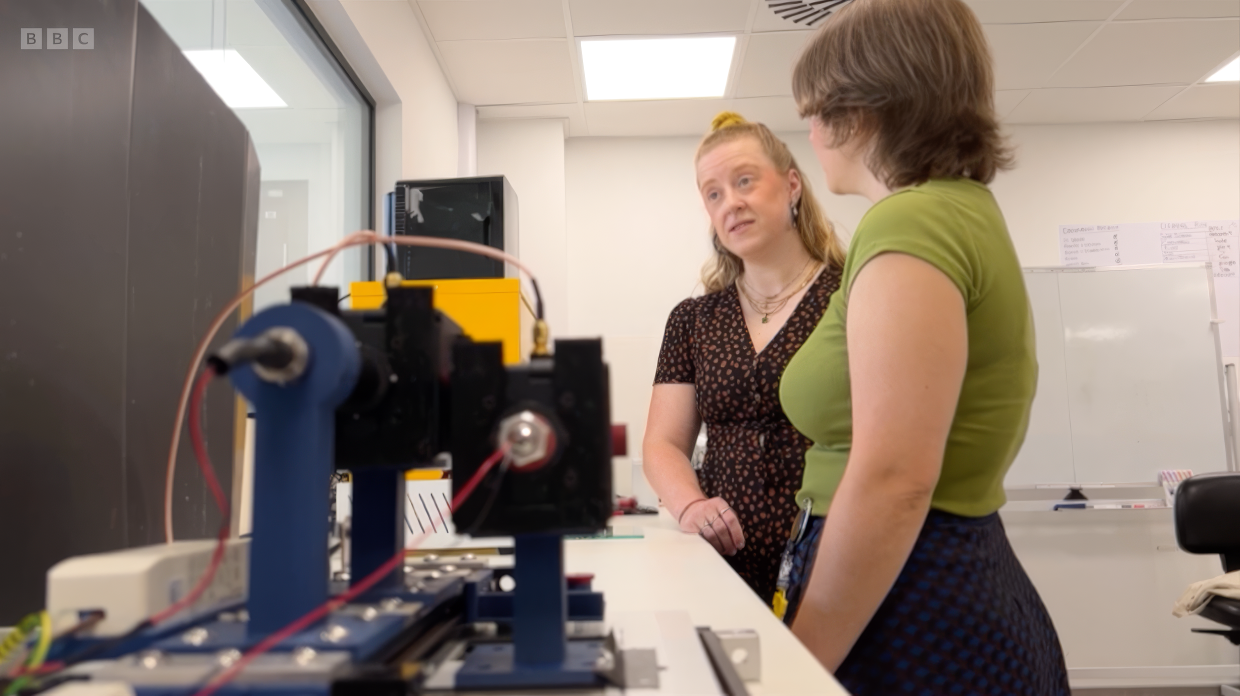
That distinction matters more than it might sound. It’s a catch 22 we talk about a lot at Albotherm: as temperatures rise, leaning harder on air conditioning pushes up energy demand and adds to the very problem we are trying to manage.
The demand for air con installation has surged this summer, and every unit fitted is a running cost and an energy load that a building carries for decades.
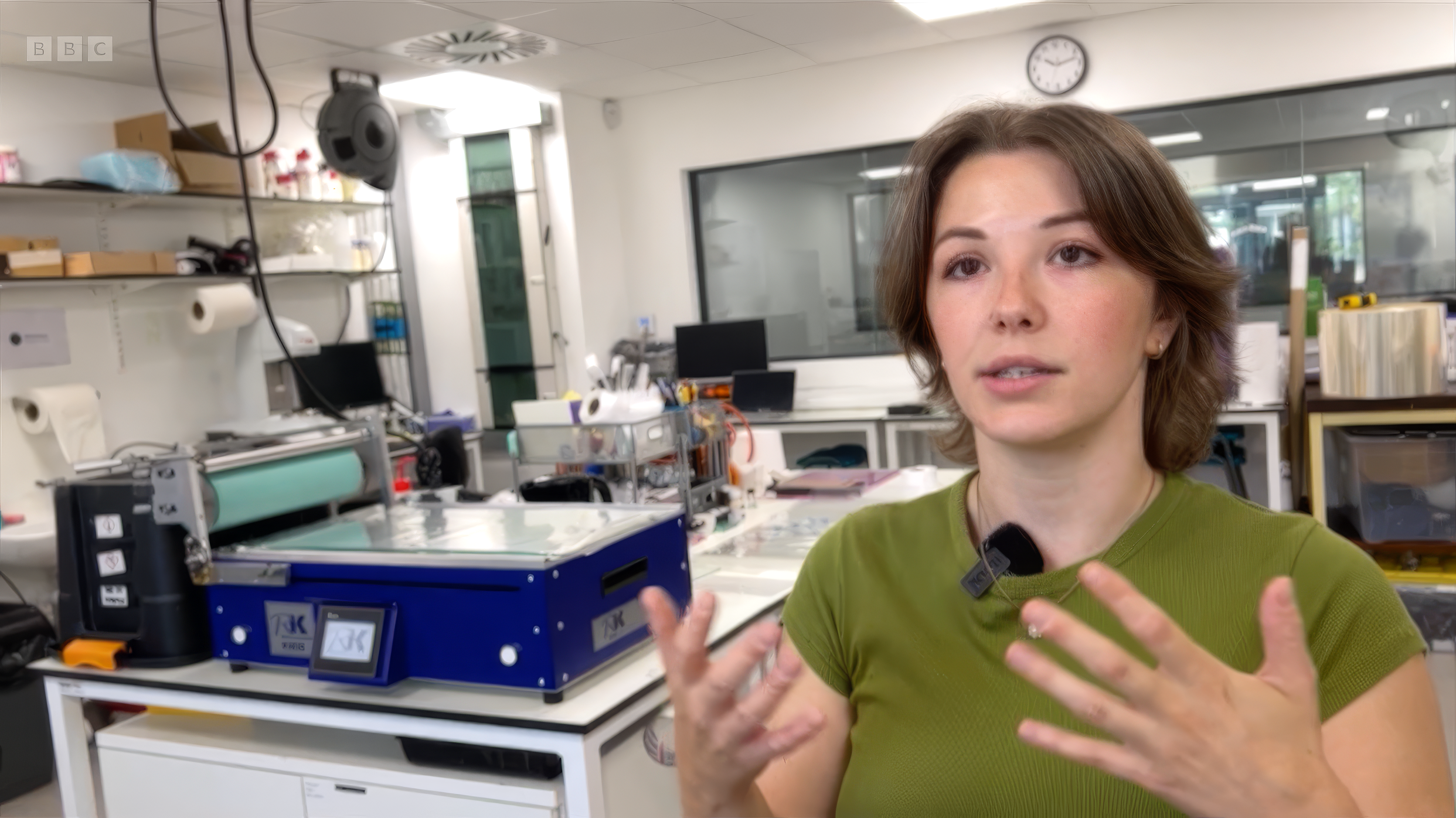
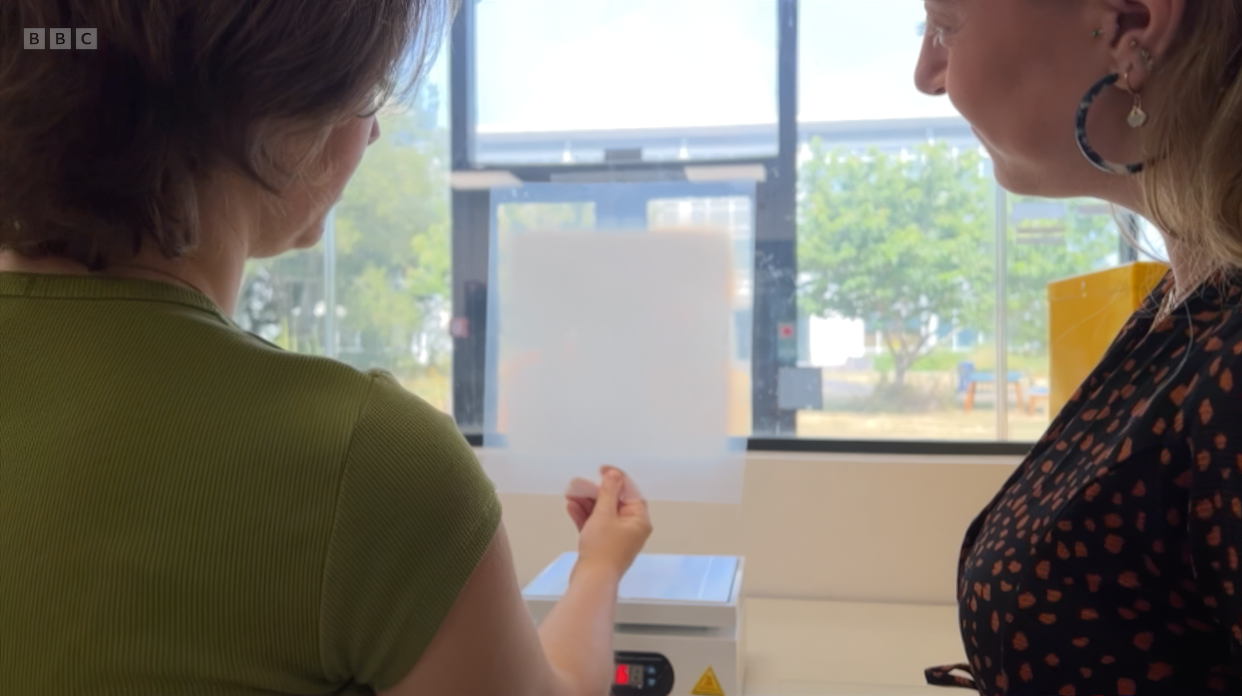
Our contribution to the piece was about doing things the other way round. Our heat-activated materials and films for glass tint to white when the temperature reaches a set point, reflecting excess heat and reducing the solar gain coming into a building. With test samples we have seen around a six degree cooling effect on the heat coming through the glass, and the product is designed to cool without using any energy at all.
We started Albotherm because we wanted to do something for the environment, and it feels like the conversation is finally moving our way. Prevention is starting to be taken as seriously as mitigation. But policy and investment still need to catch up, and pieces like this one help make the case.
You can read the full BBC article here.
If you are thinking about heat resilience for your own buildings or growing operations, we would love to hear from you. Get in touch.